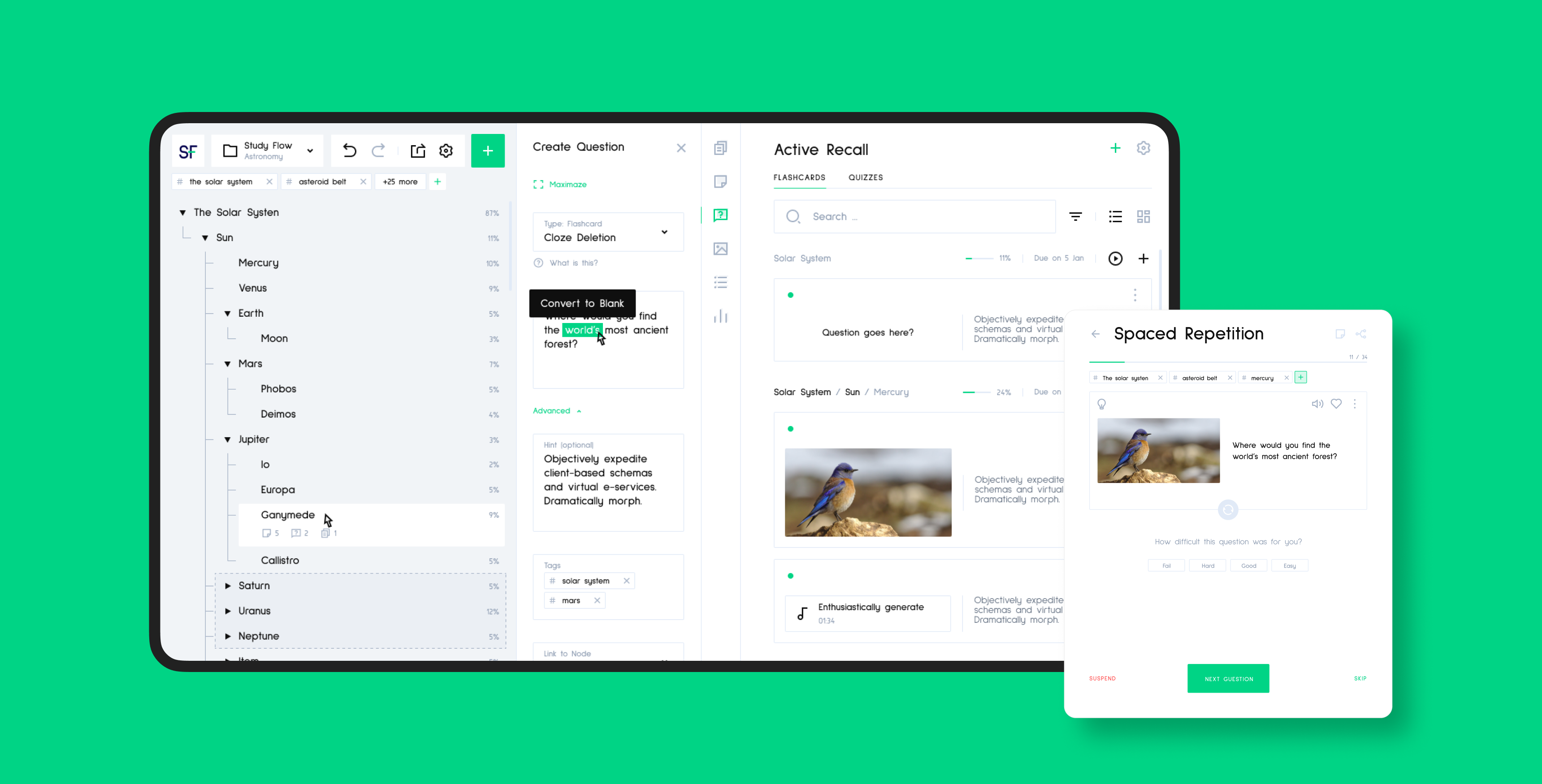
The Evolution of E-Learning: How Online Platforms are Changing Education
The evolution of e-learning has transformed the landscape of education, making learning more accessible than ever before. With the advent of online platforms, students can now engage with a wealth of information and resources from the comfort of their homes. According to Education Corner, the rapid growth of the internet and technological advances have facilitated a shift from traditional classrooms to virtual settings, enabling diverse and inclusive learning experiences. As institutions continue to embrace this digital transformation, more learners are exposed to tailored educational paths that cater to their individual needs and pace.
As the demand for online learning continues to rise, innovative platforms are emerging to further enhance the educational experience. For instance, technologies like Artificial Intelligence (AI) and gamification are being integrated into e-learning systems, fostering engaging and interactive ways for students to grasp complex concepts. A recent study by World Economic Forum highlights how these advancements not only aid in knowledge retention but also bridge gaps caused by geographical and socio-economic barriers. As we move forward, the ongoing advancements in e-learning are poised to redefine how education is delivered and consumed, paving the way for a more equitable global learning environment.
Top 5 E-Learning Platforms You Should Try This Year
With the rapid growth of online education, finding the right e-learning platform is crucial for both learners and educators alike. Here are the Top 5 E-Learning Platforms You Should Try This Year:
- Coursera: With partnerships from top universities like Stanford and Yale, Coursera offers a wide range of courses, specializations, and degrees across various subjects, making it a popular choice for lifelong learners. You can explore more about their offerings on their official website.
- Udemy: This platform boasts over 155,000 courses, covering everything from personal development to professional skills. Udemy's user-friendly interface and frequent discounts make it accessible to everyone. Check out their catalog here.
- edX: Founded by Harvard and MIT, edX is renowned for its high-quality courses from prestigious institutions. It offers MicroMasters and Professional Certificate programs that are well worth exploring. For more details, visit the edX website.
- LinkedIn Learning: Formerly known as Lynda.com, LinkedIn Learning offers courses tied closely to career advancement and development. Their vast library of professional courses is perfect for busy professionals looking to upskill. You can find more information on their platform.
- Skillshare: Focused more on creative fields, Skillshare allows you to learn through projects and hands-on activities, making it an engaging way to expand your skill set. Explore their unique classes on the Skillshare website.
Is E-Learning Right for You? Pros and Cons to Consider
In today's fast-paced world, e-learning has emerged as a revolutionary method of education, offering numerous benefits for learners of all ages. One of the primary advantages is flexibility; students can access course materials anytime and anywhere, allowing them to balance their studies with work or personal commitments. Moreover, many e-learning platforms provide a wide range of subjects, catering to various interests and career goals. However, it's crucial to consider your learning style, as some individuals thrive in structured, face-to-face environments. For more information on the benefits of online learning, check out this resource.
Despite its advantages, e-learning comes with certain drawbacks that potential students should weigh before diving in. One significant concern is the lack of personal interaction, which can lead to feelings of isolation and decreased motivation. Additionally, self-discipline is essential; without a structured environment and regular check-ins, some learners may struggle to keep up with coursework. It's also important to assess the technological requirements and ensure you have the necessary tools to engage fully in your online courses. To explore more about the challenges of e-learning, visit this article.