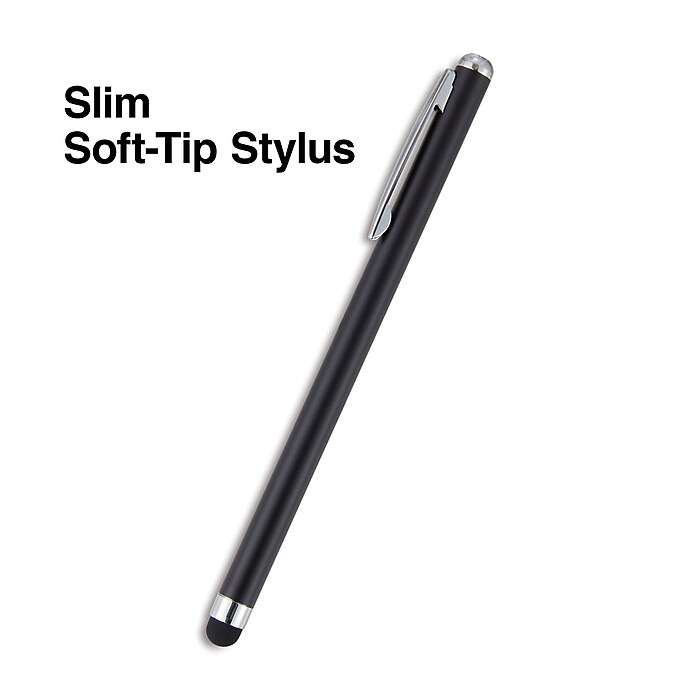
The Essential Guide to Choosing the Right Stylus for Your Digital Art
Choosing the right stylus for your digital art can significantly impact your creativity and workflow. With numerous options available in the market, it's essential to consider factors such as compatibility, pressure sensitivity, and tip quality. To help you make an informed decision, here are key aspects to keep in mind:
- Compatibility: Ensure that the stylus is compatible with the devices and software you use for your digital art.
- Pressure Sensitivity: Look for a stylus that offers a wide range of pressure sensitivity levels to achieve varying line thickness and opacity.
- Tip Quality: Different tip materials and sizes can affect your drawing experience, so choose one that feels comfortable for your artistic style.
Additionally, consider your specific artistic needs and preferences. For example, if you frequently create detailed illustrations, a stylus with a fine point may be ideal. On the other hand, if you enjoy broad strokes and painting styles, a stylus with a softer tip might be better suited. Also, remember to check for features such as tilt sensitivity and programmable buttons that can enhance your drawing experience. In summary, investing time in researching and selecting the right stylus can elevate your digital art to new heights, allowing you to express your vision with precision and ease.
Counter-Strike is a popular first-person shooter game that has captivated gamers around the world since its release. With its emphasis on team-based gameplay and strategy, it has become a mainstay in competitive gaming. One of the ongoing discussions among players is finding the right equipment for optimal performance; this includes investing in high-quality accessories. For example, you might want to check out the Top 10 iPad Accessories for Remote Work for enhancing your gaming setup.
Top 10 Tips for Mastering Digital Illustration Techniques
Digital illustration is an ever-evolving art form that requires not just creativity but also technical skills. Here are Top 10 Tips for Mastering Digital Illustration Techniques to elevate your artwork. First, never underestimate the importance of mastering your software tools. Familiarize yourself with the features of popular digital art programs such as Adobe Illustrator, Procreate, or Corel Painter. Understanding the nuances of these platforms will help you utilize them effectively and improve your workflow. Second, practice sketching regularly. The more you sketch, the better your hand-eye coordination will become, allowing you to translate your creative vision onto the digital canvas seamlessly.
In addition to these foundational tips, consider experimenting with different styles and techniques. Explore digital painting techniques such as layering, blending modes, and custom brushes to find what suits your artistic voice. Collaboration with other artists can also accelerate your learning; join online communities to share feedback and gain insights. Lastly, don’t forget to curate your portfolio and showcase your best work online. Keeping a well-organized collection allows potential clients to see your skills clearly. By applying these strategies systematically, you will be well on your way to mastering digital illustration.
How to Transform Your Sketches into Stunning Digital Artworks
Turning your traditional sketches into stunning digital artworks can be an exciting way to elevate your creativity. The first step in this transformation is to scan or photograph your sketches to create high-quality digital files. Make sure to use a good lighting setup if photographing, and choose a resolution that captures every detail. Once you have your images, import them into digital art software such as Adobe Photoshop or Procreate. These programs offer powerful tools that can help you refine your sketches, add color, and apply various effects to create breathtaking digital pieces.
After importing your sketches, consider the following techniques to enhance your digital artwork:
- Layering: Use layers to separate different elements of your artwork, allowing for easier adjustments.
- Brush Techniques: Experiment with different brush types to achieve various textures and effects that mimic traditional artistic styles.
- Color Adjustment: Utilize color correction tools to enhance the vibrancy of your work and create depth.
By following these steps, you can successfully transform your sketches into impressive digital artworks that stand out in the online art community.