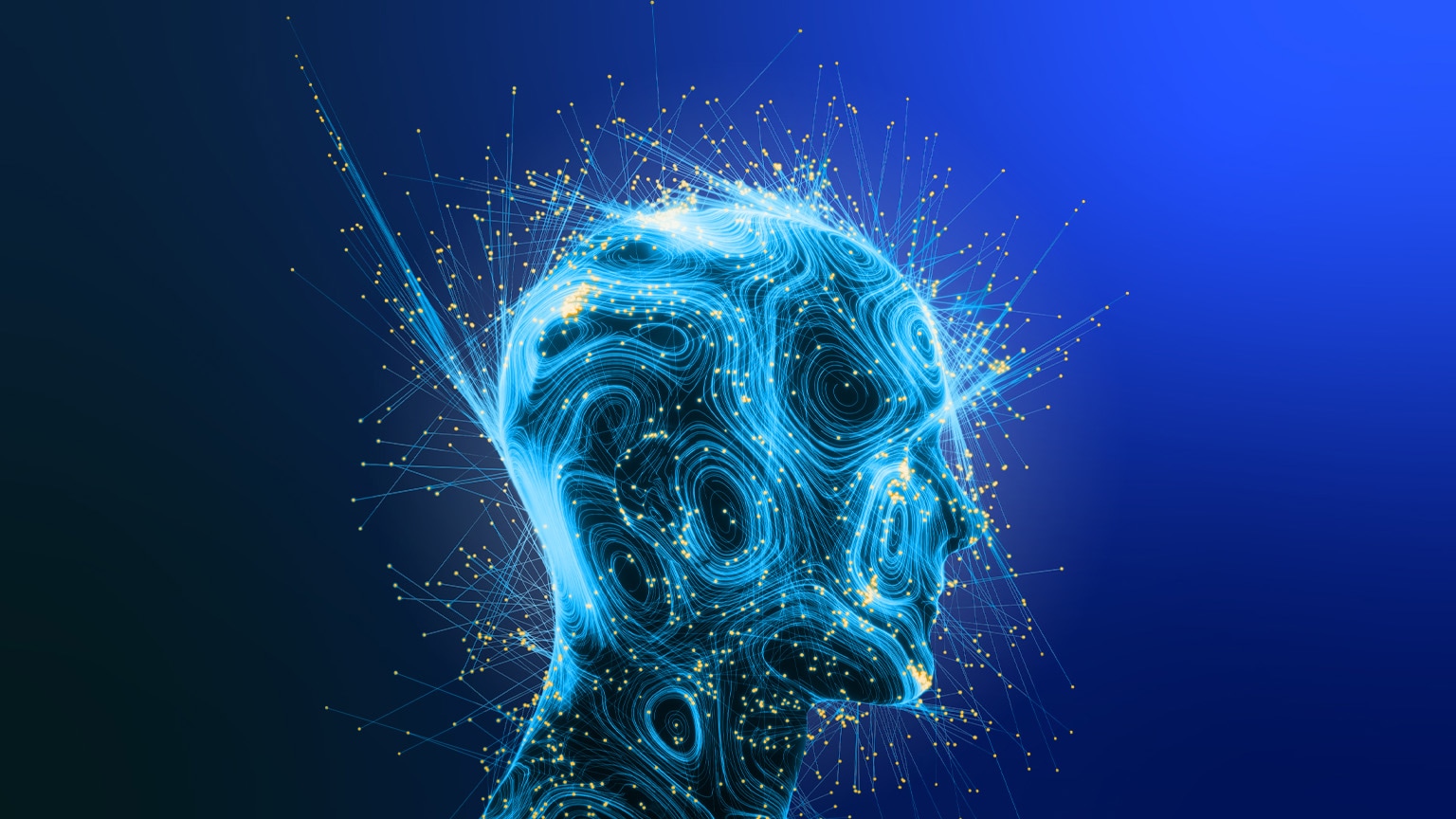
The Rise of Augmented Reality: How It’s Changing Our Perception of the World
The advent of Augmented Reality (AR) is fundamentally transforming the way we interact with the world around us. As AR technology continues to evolve, it seamlessly blends digital information with our physical environment, enriching our perception and understanding of reality. From mobile applications that allow us to visualize furniture in our homes to interactive gaming experiences that overlay digital characters in real-world settings, the applications of AR are diverse and growing at an unprecedented rate. This shift in perception has not only changed entertainment but also holds significant implications for education, healthcare, and retail, making AR an indispensable tool in modern life.
One of the most notable aspects of the rise of augmented reality is its ability to enhance our everyday experiences. For instance, in the retail sector, AR applications enable consumers to try on clothes virtually or see how a product fits into their home before making a purchase. Similarly, in education, AR can provide immersive learning experiences that foster deeper engagement and retention of information. As we increasingly rely on AR technologies, it is clear that they are not just a novelty but a vital component of how we navigate and interpret our surroundings, thus permanently altering our perception of the world.
Counter-Strike is a popular first-person shooter game that pits teams against each other in a variety of objective-based modes. Players can choose to be part of the Terrorists or Counter-Terrorists, each with distinct tasks to accomplish. For those looking to protect their gaming devices while playing, checking out the Top 10 iphone screen protectors can be beneficial to ensure durability and performance.
AI and Virtual Reality: Redefining Experiences in Digital Spaces
The fusion of AI and Virtual Reality (VR) is rapidly transforming the way we interact with digital environments. By leveraging advanced algorithms and machine learning, AI can create more immersive and personalized experiences within VR settings. For instance, AI-driven avatars can adapt their behavior based on user interactions, making virtual conversations feel more natural and engaging. This synergy not only enhances entertainment experiences, such as gaming and virtual tourism, but also improves educational simulations, allowing learners to immerse themselves in realistic scenarios.
In addition to enhancing user engagement, the integration of AI in Virtual Reality provides valuable data analytics that helps developers understand user preferences better. By analyzing interactions within VR, developers can optimize environments and tailor experiences to meet specific user needs. Moreover, this combination opens doors to innovative applications, from therapeutic VR treatments to virtual workplaces that replicate real-world dynamics. The dynamic landscape created by AI and VR is poised to redefine our digital experiences, paving the way for a future where the virtual and real intertwine seamlessly.
Are We Living in a Simulation? Exploring the Technology Behind Our Reality
The concept of living in a simulation has captured the imagination of philosophers, scientists, and the general public alike. With advancements in technology, particularly in virtual reality and artificial intelligence, questions arise about the nature of our reality. Could it be possible that the universe we inhabit is a highly sophisticated construct, one that we have yet to fully comprehend? Recent developments, like quantum computing and immersive digital experiences, make it increasingly conceivable that the fabric of our existence might be manipulated or simulated by an advanced intelligence. This leads us to explore the intriguing intersection between technology and our perceived reality.
As we delve deeper into this idea, it’s essential to consider the implications of simulation theory. Some theorists, like philosopher Nick Bostrom, argue that if it’s possible to create technologically advanced simulations, we might already be living in one. The rapid evolution of technologies such as machine learning and augmented reality suggests that our ability to create alternate realities is closer than we think. Are we merely characters in a cosmic video game, or does our consciousness hold deeper meaning? These provocative questions challenge us to reevaluate our understanding of existence itself and what it means to be 'real' in an age increasingly defined by digital experiences.