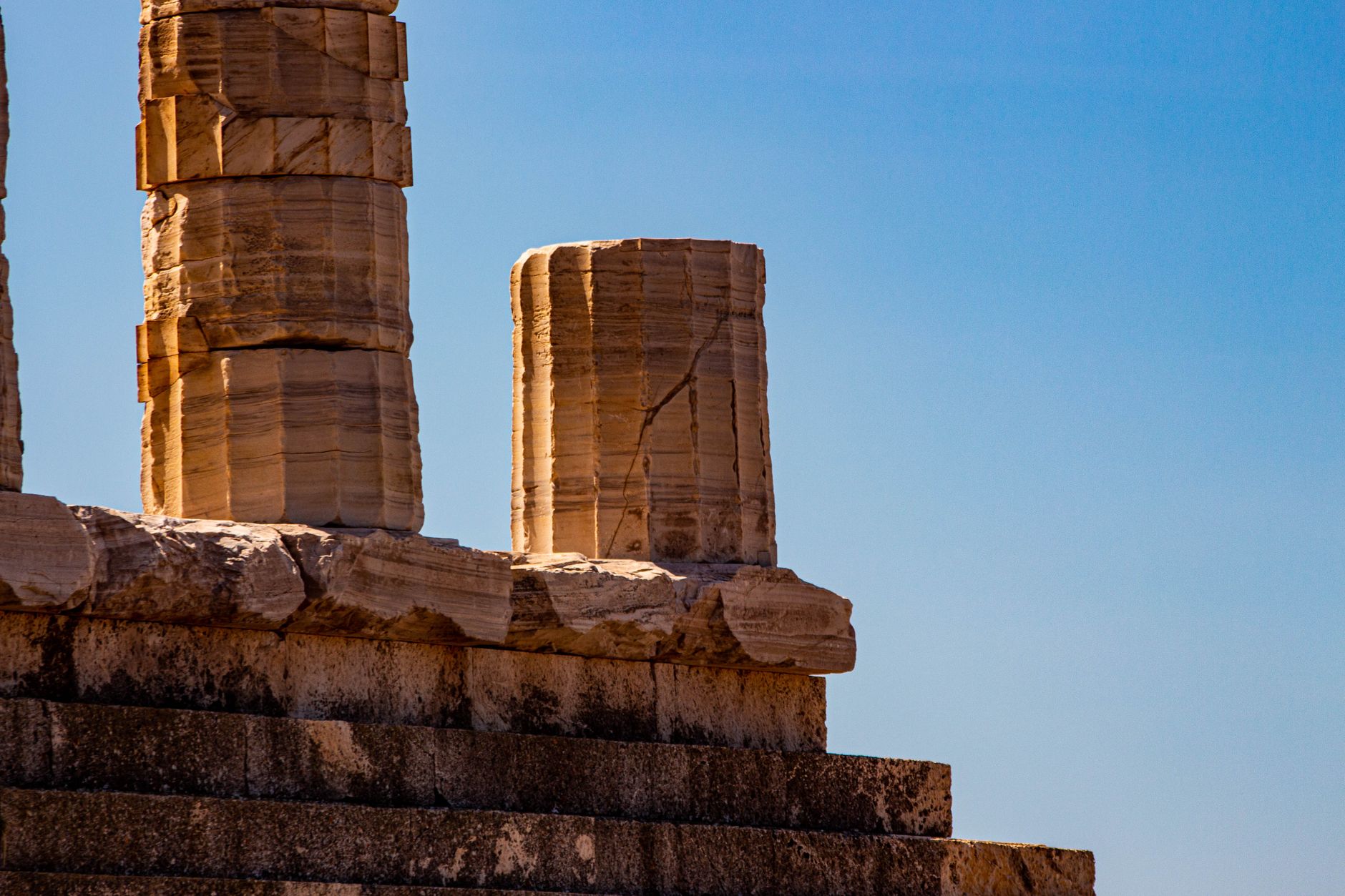
Dusting Off the Classics: Decoding Ancient Map Layouts & Essential Utility Spots
Journeying back through history, understanding the layouts of ancient maps isn't just an academic exercise; it's a fascinating look into early cartography and the priorities of past civilizations. These maps, often more illustrative than precisely accurate by modern standards, frequently highlighted essential utility spots that dictated survival and prosperity. Think of early Roman road maps, the Tabula Peutingeriana, which meticulously detailed stopping points, inns, and military outposts, rather than precise geographical contours. Similarly, ancient Egyptian maps sometimes focused on mining locations or water sources along the Nile, emphasizing resources vital for their empire. Decoding these layouts involves recognizing the symbolic representations and understanding that their 'accuracy' was measured by their utility to the intended user, not by a global positioning system.
The 'essential utility spots' on these ancient cartographic marvels varied greatly depending on the culture and period. For nomadic tribes, waterholes and fertile hunting grounds were paramount, often depicted with stylized representations. Maritime maps, like those created by early Polynesian navigators, emphasized currents, star patterns, and islands – crucial for long-distance voyaging. In urban centers, ancient city plans showcased temples, markets, and defensive structures, reflecting the social and economic heart of the community.
Understanding these depicted utilities allows us to not only appreciate the ingenuity of ancient mapmakers but also to gain insights into the daily lives, trade routes, and strategic considerations that shaped their worlds.These maps were more than just navigation tools; they were powerful reflections of human interaction with their environment.
In the realm of tactical shooters, the landscape of competitive play has evolved, leading to what some might playfully refer to as ancient CS2. This isn't about a game from millennia past, but rather a nostalgic look back at earlier iterations and meta-strategies that once dominated the scene before the current version took hold.
Beyond the Beaten Path: Unearthing Hidden Angles & Adapting Old-School Tactics to Modern CS2
As the competitive landscape of CS2 constantly evolves, relying solely on mainstream strategies can often lead to predictable outcomes. To truly dominate, players must venture beyond the beaten path and unearth hidden angles that exploit less obvious game mechanics or player tendencies. This involves a deep dive into map intricacies, understanding rarely utilized grenade lineups, or even discovering unconventional peeking positions that catch opponents off guard. Furthermore, successful adaptation means recognizing how older, seemingly obsolete tactics can be revitalized. For instance, the art of the 'lurk' – a classic CS 1.6 move – can be reimagined with modern utility to create powerful, unexpected pushes, proving that innovation often stems from a fresh perspective on established principles. It's about finding the unexpected advantage in a seemingly familiar environment.
The beauty of adapting old-school tactics to modern CS2 lies in their inherent familiarity, yet their execution can be entirely fresh. Consider the 'eco rush' – a staple from earlier iterations. While its direct application might seem suicidal against well-armed opponents, a contemporary twist involves
- meticulous utility usage to create smoke walls and flashes
- coordinated, staggered pushes to overwhelm choke points
- a strong emphasis on pistol accuracy and knife kills for economic resets
Innovation isn't always about creating something entirely new; sometimes, it's about perfecting the old with new tools.