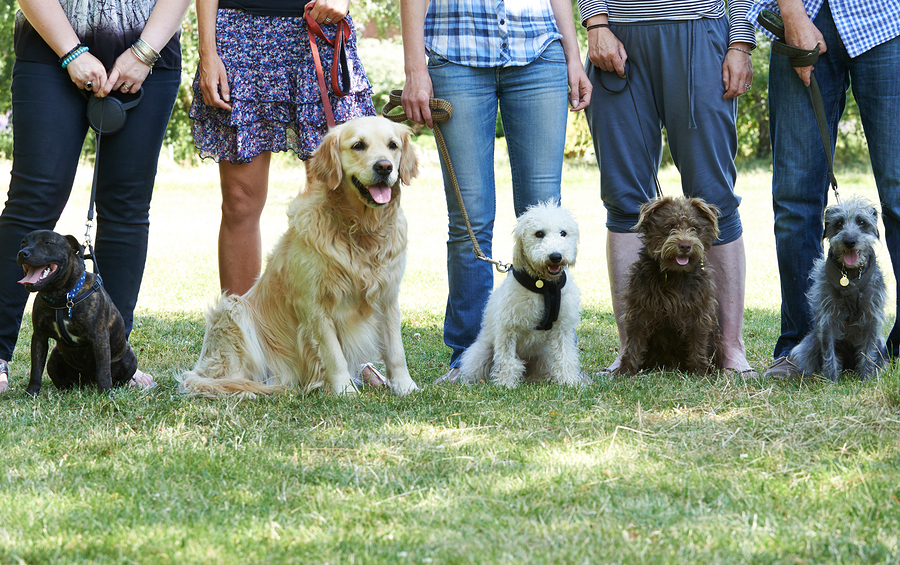
5 Essential Commands Every Puppy Should Learn
When bringing a new puppy into your home, it's crucial to establish a foundation of communication and respect. Here are 5 essential commands every puppy should learn to ensure a harmonious relationship:
- Sit: This command helps your puppy learn patience and is often the first command to teach. It’s foundational for other commands and helps in managing your puppy’s behavior.
- Stay: Teaching your puppy to stay can prevent them from running into dangerous situations. It encourages self-control and is an essential safety measure.
In addition to the basics, consider these other essential commands for your puppy:
- Come: The come command is vital for your puppy's safety. It ensures they return to you when called, which is particularly important in public places.
- Leave it: This command can protect your puppy from harmful objects or substances they might find while exploring.
- Down: Teaching your puppy to lie down can help in controlling their excitement and is useful in social situations.
How to Socialize Your Puppy: Tips for a Well-Adjusted Dog
Socializing your puppy is one of the most important steps in ensuring they grow into a well-adjusted and confident dog. Start early by exposing your puppy to different environments, sounds, and people. This exposure helps them adapt to various situations without fear. Begin with controlled introductions in a calm setting, gradually increasing the complexity of interactions. Consider enrolling your puppy in a socialization class, where they can meet other dogs and learn essential social skills under supervision.
To make the socialization process effective, use positive reinforcement. Reward your puppy with treats or praise when they interact calmly with new experiences. Here are some tips to consider:
- Introduce one new experience at a time to avoid overwhelming your puppy.
- Expose them to various types of people (adults, children, seniors) and other animals.
- Monitor body language to ensure your puppy feels comfortable.
- Maintain consistency in the socialization routine to reinforce learning.
Following these tips will help your puppy build a solid foundation for becoming a friendly and well-adjusted dog.
What You Need to Know About Crate Training Your Puppy
Crate training is an essential aspect of raising a well-behaved puppy. It provides them with a safe space to relax and helps with house training by encouraging them to hold their bladder. When introducing your puppy to a crate, it's crucial to make the experience positive. Start by placing the crate in a quiet area of your home and encouraging your puppy to explore it on their own. Use treats or toys to entice them inside and gradually increase the time they spend in the crate while ensuring they associate it with comfort and security.
Consistency is key when it comes to crate training. Establish a routine that includes regular walks, playtime, and feeding times to help your puppy understand when it’s time to go to the bathroom. Here are some tips to follow during the process:
- Limit the time your puppy spends in the crate, especially if they are young.
- Never use the crate as a form of punishment.
- Gradually increase the duration your puppy stays in the crate as they become more comfortable.
By implementing these practices, you can effectively train your puppy to view the crate as a safe haven.