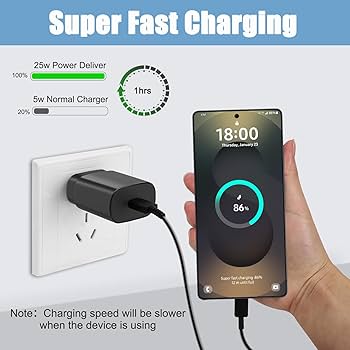
Understanding the Chemistry: How Fast Charging Works
Fast charging technology has transformed the way we power our devices, enabling quicker recharge times without compromising battery life. At the heart of this innovation is the chemistry of lithium-ion batteries, which typically rely on a process wherein lithium ions move between the anode and cathode. In fast charging, higher voltages and currents are applied to accelerate this ion movement. However, it's essential to note that fast charging systems often include advanced battery management systems to monitor temperature and voltage levels, ensuring that the charging process remains safe and efficient.
Understanding the various charging protocols is crucial as well; different manufacturers may implement varying standards, such as Qualcomm's Quick Charge or USB Power Delivery. These protocols determine how devices communicate with chargers, optimizing the flow of energy based on the battery's needs at any given moment. As technology continues to evolve, future developments in fast charging will likely focus on not just speed but also on enhancing the longevity and safety of our batteries, ensuring users can enjoy the convenience of quick power-ups without the risk of damaging their devices.
Counter-Strike is a popular tactical first-person shooter video game that pits teams of terrorists against counter-terrorists in various objective-based scenarios. Players have the opportunity to adopt different strategies and utilize a variety of weapons, making teamwork and communication vital for success. For those looking to organize their gaming setup, consider checking out the Top 10 Desk Charging Stations to enhance your gaming experience.
The Future of Fast Charging: Innovations That Could Change the Game
The future of fast charging technology is poised for remarkable transformations, driven by innovation and consumer demand. One of the most exciting developments is the emergence of solid-state batteries, which promise faster charging times and greater energy density compared to conventional lithium-ion batteries. Companies like Toyota and QuantumScape are leading the charge in this arena, with prototypes showing potential charging times that could fill a vehicle battery to capacity in under 15 minutes. Additionally, advancements in ultra-fast charging stations that utilize higher voltage systems will play a crucial role in reducing downtime for electric vehicles (EVs), making them even more appealing for everyday use.
Another promising innovation is wireless charging technology, which eliminates the need for physical connections and makes charging as seamless as parking. This technology uses resonant inductive coupling to transfer energy between a charging pad and the vehicle, providing convenience and ease of use. Furthermore, as manufacturers invest in smart charging solutions that incorporate artificial intelligence and machine learning, we're likely to see systems that optimize charging times based on energy costs and demand. This could significantly enhance the user experience and promote the broader adoption of electric vehicles, ultimately reshaping the automotive landscape in the coming years.
Can Fast Charging Damage Your Device? Debunking Common Myths
Fast charging has become a popular feature for modern smartphones and devices, but many users worry that it might damage their devices. This concern often stems from misconceptions about how fast charging works. In reality, most devices are designed to handle various charging speeds. Manufacturers implement smart charging technologies that regulate the voltage and current supplied to the battery, ensuring it remains within safe limits. The process is usually optimized to minimize heat generation, which is one of the primary factors that can lead to battery degradation.
Another common myth is that using fast chargers voids warranties or shortens battery lifespan significantly. However, reputable brands create chargers that are compatible with their devices, meaning that using a fast charger will not inherently damage your device. It's crucial to use chargers from trusted manufacturers or those certified by the device's producer. In conclusion, understanding the technology behind fast charging can help debunk these myths and allow users to take advantage of the convenience it offers without unnecessary concern about potential damage.