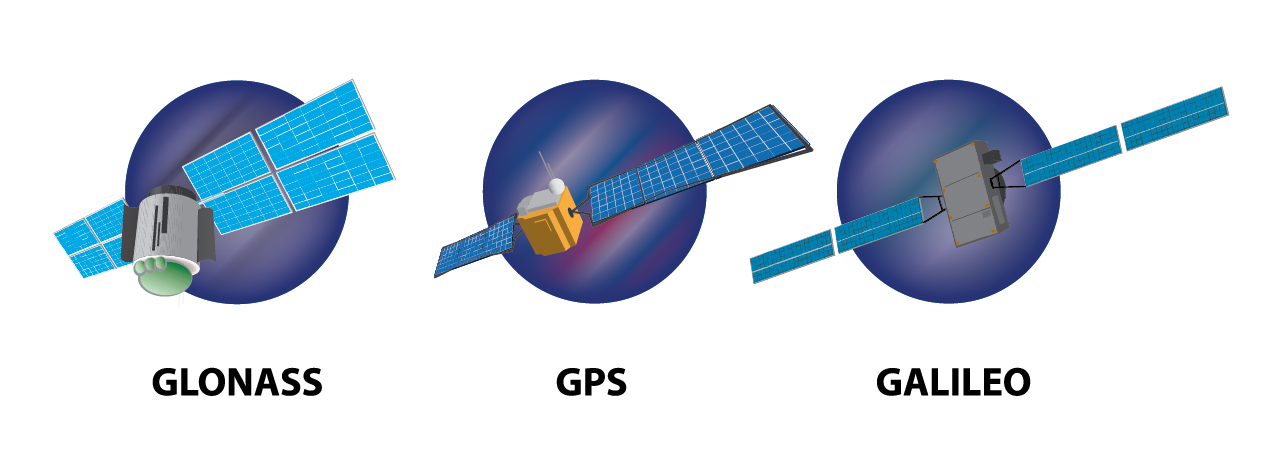
How GPS Technology is Transforming Everyday Navigation
GPS technology has revolutionized the way we navigate our daily lives, making it easier and more efficient than ever to find our way from point A to point B. By leveraging satellite signals and mapping data, GPS systems can provide real-time navigation assistance, traffic updates, and route optimization. This technology has permeated various aspects of our lives, from smartphones equipped with GPS apps like Google Maps and Waze to dedicated GPS devices in vehicles. As a result, users can now enjoy features such as voice-guided directions, estimated time of arrival, and alternative routes to avoid congestion, all contributing to a smoother travel experience.
Moreover, GPS technology is not just limited to driving. It has expanded into areas such as hiking, cycling, and even public transportation. Outdoor enthusiasts can use GPS-enabled devices to track their routes and monitor their progress, ensuring they stay on course. Additionally, many public transport systems have adopted GPS to provide passengers with real-time updates on bus and train arrivals. This seamless integration of GPS in everyday activities illustrates its critical role in enhancing user convenience and safety, ultimately transforming how we navigate our surroundings.
Counter-Strike is a highly popular first-person shooter game that has evolved through various versions since its initial release in 1999. Players engage in team-based combat as either terrorists or counter-terrorists, using strategy and skill to achieve objectives. If you're interested in keeping your furry friends safe, check out the Top 10 airtag pet collars to help track their movements. The game features a range of maps and modes, making each match unique and challenging.
Exploring the Hidden Features of Your GPS: Beyond Basic Directions
Most people use their GPS devices or applications primarily for basic directions, but these tools offer a cornucopia of hidden features that can enhance your travel experience. For instance, many GPS systems include real-time traffic updates, allowing users to avoid congested areas and find the fastest routes. Additionally, some devices come equipped with points of interest (POIs) such as gas stations, restaurants, and rest stops. By familiarizing yourself with these lesser-known features, you can transform your GPS from a mere navigation tool into an indispensable travel companion.
Another exciting aspect is the ability to customize your GPS settings. You can often adjust the voice navigation preferences, selecting from various languages or even celebrity voices for a more entertaining experience. Furthermore, many modern GPS applications sync with your mobile device, enabling you to receive notifications about nearby amenities or hazards while on the move. To maximize the capabilities of your GPS, take the time to explore individual settings and features. You might be surprised at how much your GPS can enhance your journey, making it not just about reaching a destination but enjoying the ride.
What Would Our Lives Look Like Without GPS?
Our lives without GPS would fundamentally change, leading to a resurgence of traditional navigation methods. People would rely heavily on maps, which requires a deeper understanding of geography and spatial awareness. The ability to read a map accurately and get oriented was once a crucial skill, and its absence has made many overly dependent on technology. Without GPS to provide turn-by-turn directions, we might revert to asking for directions from locals, enhancing our social interactions and fostering a sense of community. However, the downside could be increased frustration and wasted time due to getting lost more frequently.
Furthermore, the absence of GPS would impact various industries relying on precise location tracking. Delivery services would face serious challenges, as routes would need to be planned manually, potentially leading to delays and increased costs. Emergency services would struggle to locate individuals swiftly in times of crisis, which could have dire consequences. In a world without GPS, we would have to reconsider our reliance on technology, potentially leading to a more connected society in terms of interpersonal interactions, yet a less efficient one in terms of logistics and emergency response.