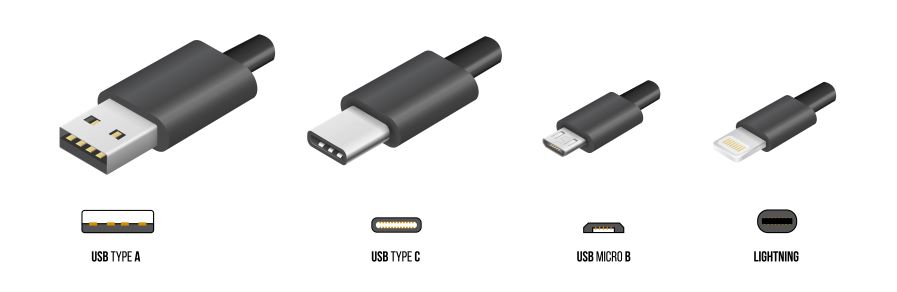
Understanding USB-C: Why It's the Future of Charging
USB-C is rapidly emerging as the universal standard for charging and data transfer, thanks to its versatility and efficiency. Unlike its predecessors, USB-A and USB-B, USB-C features a reversible design, allowing users to plug in their devices without worrying about orientation. This advanced connector delivers significantly faster charging speeds, with the capability to transmit up to 100 watts of power, making it ideal for charging everything from smartphones to laptops. Furthermore, USB-C supports high-speed data transfer rates of up to 10 Gbps, which is nearly double the speed of USB 3.0, thus enhancing productivity for tech enthusiasts and professionals alike.
Another key advantage of USB-C is its ability to consolidate multiple types of connections into a single port, effectively reducing cable clutter. As devices evolve, more manufacturers are adopting USB-C for their products, from smartphones to tablets and other electronics. This trend not only simplifies the user experience but also promotes sustainability by minimizing electronic waste. In conclusion, understanding the capabilities and benefits of USB-C is essential for anyone looking to future-proof their tech accessories and ensure compatibility across multiple devices.
Counter-Strike is a popular tactical first-person shooter game that has captivated players around the world. Known for its team-based gameplay, players can choose to play as terrorists or counter-terrorists, engaging in various mission scenarios. The game has a thriving competitive scene, with many players striving to improve their skills and tactics. For those interested in enhancing their gaming setup, check out these Top 10 usb c accessories that can provide better connectivity and performance during gameplay.
USB-C vs. Traditional USB Ports: What You Need to Know
The debate between USB-C and traditional USB ports is crucial in today's tech landscape. USB-C, with its reversible design, is quickly becoming the new standard, providing faster data transfer speeds and higher power delivery. Unlike the older USB-A and USB-B ports, which have specific orientations, USB-C simplifies connectivity. This shift also means that more devices—from laptops to smartphones and even appliances—are adopting this versatile connection. If you're still using traditional USB ports, it's time to consider the advantages that USB-C offers, especially in terms of convenience and compatibility with future devices.
In addition to convenience, the USB-C interface supports advanced features like Power Delivery and Thunderbolt 3. These capabilities allow for not only quicker charging of devices but also the ability to drive multiple peripherals through a single port. For instance, a single USB-C port can connect to monitors, external hard drives, and power sources without the need for cumbersome adapters. As you consider your current devices and potential upgrades, weigh the long-term benefits of adopting USB-C, which is designed to enhance productivity and user experience.
How USB-C is Revolutionizing Power Delivery and Data Transfer
In today's tech landscape, USB-C has emerged as a game-changer for both power delivery and data transfer, replacing older standards with its versatile design. This revolutionary connector supports a range of functionalities, making it the universal standard for modern devices. With its ability to deliver up to 100 watts of power, USB-C allows for rapid device charging, enabling laptops, smartphones, and tablets to power up quickly. Additionally, its support for high data transfer rates, reaching up to 10 Gbps and beyond, means that files can be moved swiftly, enhancing productivity for users across various industries.
Furthermore, the impact of USB-C on the market extends beyond individual devices. This standard is paving the way for a more streamlined and efficient ecosystem. Consider the following benefits:
- Universal Compatibility: One cable can work across multiple devices, reducing clutter and the need for different chargers.
- Future-proofing: As technology evolves, USB-C's adaptability ensures that it will remain relevant for years to come.
- Enhanced Performance: With its advanced capabilities, USB-C supports high-definition video output and can connect to multiple devices simultaneously.
In summary, USB-C is not just a simple connector; it is a powerful tool that is reshaping how we think about power delivery and data transfer.