Is Your Office Chair Secretly Sabotaging Your Productivity?
Have you ever considered that your office chair might be secretly sabotaging your productivity? An inadequate chair can lead to decreased comfort and concentration, making it difficult to stay focused on your tasks. Research shows that poor seating can contribute to discomfort and fatigue, resulting in diminished work output. If your chair lacks proper lumbar support or encourages poor posture, the repercussions can extend beyond just physical discomfort; they can directly affect your efficiency and overall job satisfaction.
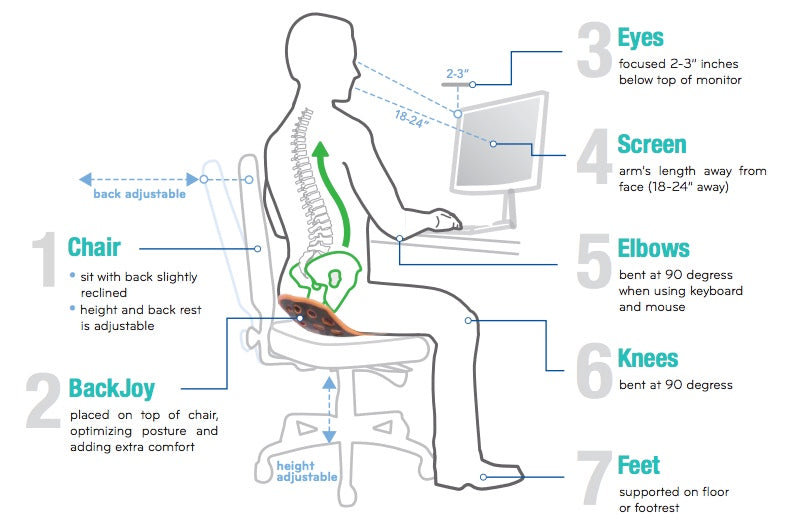
Furthermore, the design of your office chair plays a crucial role in your daily workflow. An ergonomic chair is not just a luxury; it is a necessity for those long hours spent working. The right chair can help reduce the risk of strain and injury by promoting correct posture and facilitating movement. To assess whether your chair is doing more harm than good, consider asking yourself these questions:
- Am I experiencing frequent back pain or discomfort?
- Can I adjust my chair height, armrests, and backrest?
- Do I feel fatigued or unfocused during work hours?
If you're looking for the best ways to enhance your tablet experience, consider exploring the Top 10 Tablet Holder Arms. These versatile accessories not only keep your tablet secure but also provide adjustable viewing angles for added comfort. From sturdy desk mounts to flexible wall brackets, there's a perfect holder for every need.
The Science Behind Ergonomics: How Your Chair Affects Your Health
The science behind ergonomics is rooted in understanding how our bodies interact with our environment, especially in our workplaces. A well-designed chair plays a crucial role in this equation, as it directly affects our posture and overall health. Research shows that sitting for extended periods in an improperly designed chair can lead to a range of health issues, including back pain, neck strain, and even long-term musculoskeletal disorders. Therefore, investing in an ergonomic chair is not just a matter of comfort, but a proactive step towards promoting better health.
To highlight the importance of ergonomics, consider the following key factors related to your chair:
- Support: An ergonomic chair provides crucial lumbar support, helping to maintain the natural curve of your spine.
- Adjustability: The ability to adjust seat height, backrest angle, and armrests ensures that the chair fits your body perfectly.
- Material: Breathable materials can enhance comfort during long hours of sitting, reducing sweat and discomfort.
By prioritizing these characteristics, you can significantly enhance your workspace’s ergonomic quality, leading to improved productivity and well-being.
Top 5 Signs Your Chair is Plotting Against You and How to Stop It
When you spend long hours sitting, your chair can start to feel like a rebellious entity, acting up just when you need it the most. Here are the top 5 signs your chair is plotting against you:
- Squeaking Sounds: If your chair is suddenly making noises that resemble creaking and squeaking, it might be expressing its discontent with being overworked.
- Uneven Cushioning: A chair that has lost its shape or cushioning can lead to discomfort and back pain, signaling that it’s no longer serving its purpose well.
- Wobbly Legs: When your chair is unstable, it not only feels insecure but could also be a sign that it’s preparing for an abrupt 'exit' under you.
- Discoloration: Fading upholstery may indicate that your chair's comfort has been compromised, leading to a less supportive sitting experience.
- Increased Movement: If you find yourself shifting or adjusting more than usual, it may be time to confront the fact that your chair could be plotting against your productivity.
To counter these *nefarious plans*, consider upgrading to an ergonomic chair that supports your posture and promotes comfort. Regular maintenance, such as tightening screws and replacing cushioning, can also extend your chair's life and effectiveness. Remember, a comfortable, well-maintained chair can contribute significantly to your productivity and overall health, combatting the idea that furniture can have mischievous intentions against you. By taking action, you can ensure your chair becomes an ally rather than an adversary.