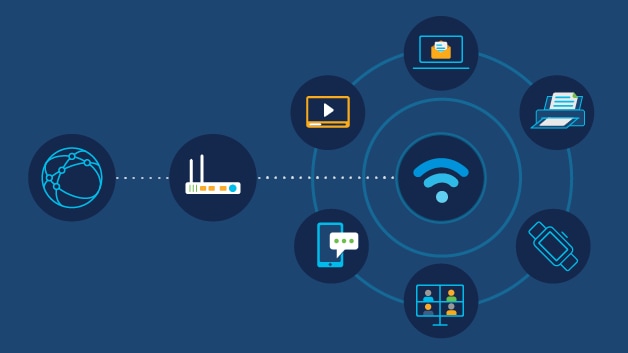
The Future of Connectivity: How Wireless Technology is Transforming Our Lives
The rapid evolution of wireless technology is reshaping the way we connect with each other and interact with the world around us. From 5G networks enhancing our mobile browsing experiences to the rising prominence of Internet of Things (IoT) devices, the future of connectivity promises to be more seamless than ever. As we embrace smart homes, autonomous vehicles, and remote work capabilities, the integration of wireless technology becomes pivotal in driving efficiency and accessibility. According to recent studies, over 75% of the global population is expected to be connected to high-speed wireless networks by the end of the decade, paving the way for innovative solutions that enhance our daily lives.
Moreover, the impact of wireless technology extends beyond mere convenience; it also fosters inclusivity and equality in various sectors. With the growing trend of wireless health monitoring tools and telemedicine services, healthcare is becoming increasingly accessible, allowing patients in remote areas to receive essential medical attention. Education is another domain poised for transformation, as wireless technology enables online learning platforms to reach students across geographical boundaries. In this connected world, the barriers of distance and resource disparities can be minimized, ultimately enhancing opportunities for countless individuals and reinforcing the importance of staying connected.
Counter-Strike is a popular first-person shooter game that pits teams of terrorists against counter-terrorists in various objective-based scenarios. Players must work collaboratively, utilizing strategy and teamwork to secure victory. For gamers looking to enhance their experience, exploring the Top 10 Google Pixel Accessories can provide valuable insights into customizing their gaming setups.
Top 5 Reasons to Embrace Wireless Solutions for Your Home and Office
In today's fast-paced world, staying connected is more important than ever. Wireless solutions offer a level of convenience and flexibility that traditional wired setups simply cannot match. Here are the top 5 reasons to embrace wireless solutions for your home and office:
- Mobility: With wireless connectivity, you can work from anywhere within your space, eliminating the restrictions of wires and cables.
- Easy Installation: Setting up wireless devices is often faster and less cumbersome than dealing with extensive wiring.
- Cost-Effective: Over time, wireless solutions can save money on installation and maintenance compared to wired systems.
- Scalability: As your needs grow, adding new devices and expanding your network is simpler with wireless technology.
- Reduced Clutter: Freeing your space from wires creates a cleaner, more organized environment.
Are Wires Becoming Obsolete? Exploring the Benefits of Going Wireless
In today's fast-paced digital world, the question arises: Are wires becoming obsolete? With the rapid advancement of technology, the shift towards wireless solutions has become more pronounced. From smartphones to home networks, consumers are increasingly opting for wireless connectivity. The benefits are numerous; for one, wireless technology offers greater convenience and flexibility, allowing users to move freely without being tethered to a wall socket. Moreover, innovations such as Wi-Fi 6 and 5G have significantly boosted the speed and reliability of wireless connections, making them a viable alternative to traditional wired systems.
Switching to wireless not only enhances user experience but also promotes a more organized and clutter-free environment. By eliminating the need for cables, users can enjoy a more aesthetic space, whether it's a home office or a living room setup. Additionally, wireless technologies often come equipped with advanced features like remote access and device interoperability, which enhance the functionality of connected devices. As we continue to explore the question, are wires becoming obsolete?, it is becoming increasingly clear that the advantages of going wireless are driving a significant transformation in how we connect and interact with technology.