Mastering the Surprise: How Force Buys Can Turn the Tide in CSGO
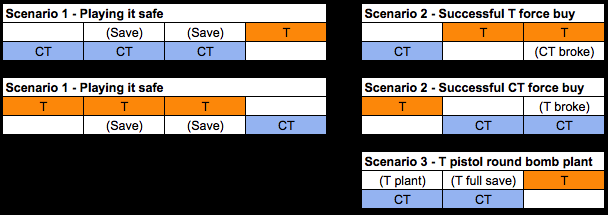
In the competitive world of CSGO, mastering the element of surprise can be a game-changer, particularly when employing force buys. A force buy is a calculated risk where players decide to spend their limited economy on weapons and utility, even when it might not be the optimal choice, often as a way to catch their opponents off-guard. This strategy tends to upend the flow of the game, allowing teams to regain momentum and turn the tide in situations that might otherwise seem dire. When executed correctly, a well-timed force buy can lead to unexpected victories, turning a lean round into a flourishing opportunity for the team.
When considering a force buy, it's crucial to assess your team's dynamics and the opposing team's economy. Here are some key points to remember when planning your surprise attack:
- Team Coordination: Ensure all teammates are on the same page regarding the force buy.
- Weapon Selection: Opt for weapons and grenades that cater to your team's playstyle and the map at hand.
- Timing: Strike when your opponents least expect it, ideally when they are unprepared or low on resources.
By harnessing the surprise element of force buys in CSGO, teams can often secure pivotal rounds that can lead to broader match victories.
Counter-Strike is a popular first-person shooter game that emphasizes teamwork and strategy. Players can acquire various skins and items, including the kilowatt case, which offers unique cosmetic upgrades for weapons. The game's competitive nature and emphasis on skill make it a favorite among esports enthusiasts.
Top 5 Unexpected Strategies for Successful Force Buys in Competitive Matches
In competitive matches, mastering the art of force buys can often be the difference between victory and defeat. While it's common practice to have a planned economy, sometimes the unexpected can yield surprising results. Here are five unexpected strategies that can enhance your approach to successful force buys:
- Team Communication: Before making a decision on a force buy, ensure that your team is on the same page. Discussing the potential radius of investment helps align strategies.
- Invest in Utility: Instead of buying only weapons, prioritize utility purchases. Smoke grenades and flashbangs can create opportunities even with just pistols in hand.
- Defaulting Late Round: Opt to play a default strategy for the initial rounds to conserve economy. When you do force buy, you’ll catch opponents off guard with unexpected aggression.
- Focus on Flanking: A well-timed flank can be incredibly effective when executing a force buy. Use the element of surprise to overwhelm opponents.
- Leave No One Behind: Make sure everyone on your team is alive during a force buy. You may have limited firepower, but sticking together can lead to advantageous trades.
Is Force Buying a Risk Worth Taking? Exploring the Pros and Cons
Force buying can often seem like a lucrative strategy in various industries, particularly in retail and real estate. The primary advantage lies in the potential for significant gains; by securing assets or products under perceived market value, investors may reap the rewards as demand increases. For instance, force buyers can capitalize on temporal market shifts, acquiring properties during downturns or purchasing inventory when prices dip seasonally. However, this approach is not without its risks. Many factors can lead to unfavorable outcomes, including fluctuating market conditions, unforeseen expenses, or the possibility of overestimating the value of the purchase.
On the flip side, the risks associated with force buying should be weighed carefully. A poorly timed acquisition can lead to substantial financial losses, as well as legal complications if buyers are not fully aware of contractual obligations. Additionally, there is the emotional toll of navigating high-pressure situations that often surround force buying, which can cloud judgment and lead to impulsive decisions. As with any investment strategy, it is crucial for potential buyers to conduct thorough research and consider both the pros and cons before diving into a force buying scenario, ensuring a balanced perspective that can lead to more informed decision-making.