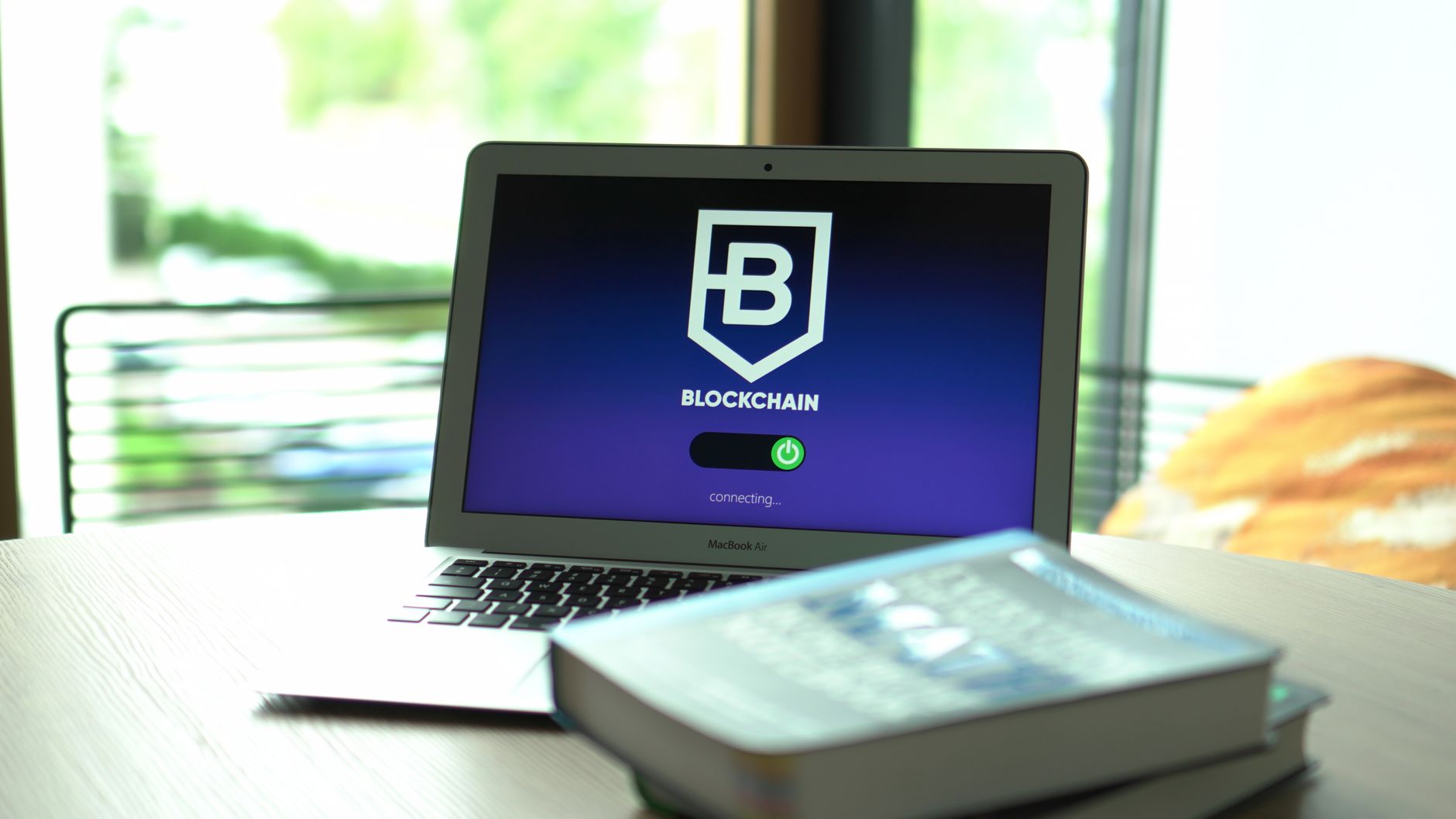
Understanding Your Crypto Wallet: The Gateway to Decentralized Finance (DeFi)
Your crypto wallet isn't just a place to store your digital assets; it's the fundamental interface connecting you to the vast and evolving world of Decentralized Finance (DeFi). Think of it as your personal bank account and authentication system rolled into one, but with a crucial distinction: you, and only you, hold the keys to your funds. Unlike traditional banking where institutions control your money, a crypto wallet empowers you with direct ownership and control over your cryptocurrencies and NFTs. This direct control is paramount in DeFi, enabling you to interact with decentralized applications (dApps), participate in lending protocols, provide liquidity to exchanges, and much more, all without intermediaries.
Navigating the DeFi landscape effectively hinges on a solid understanding of your wallet's functionalities and security best practices. There are various types of wallets, each offering different levels of convenience and security:
- Hot Wallets: Software-based, connected to the internet (e.g., MetaMask, Trust Wallet)
- Cold Wallets: Hardware devices, offline storage for enhanced security (e.g., Ledger, Trezor)
- Paper Wallets: Physical printouts of keys (less common now due to usability challenges)
loss of these means permanent loss of your assets.A secure wallet is your first and most critical step towards confidently exploring the exciting opportunities within DeFi.
Decentralized betting platforms leverage blockchain technology to offer transparent and secure wagering, removing the need for traditional intermediaries. This innovative approach allows users to engage in peer-to-peer betting, ensuring fairness and reducing censorship, all while enjoying the benefits of a decentralized betting ecosystem. The smart contracts governing these platforms automatically execute payouts, adding an extra layer of trust and efficiency to the betting experience.
Your First Crypto Purchase & Transaction: Practical Steps & Common Questions Answered
Embarking on your crypto journey starts with your first purchase, a seemingly daunting but ultimately straightforward process. The most common entry point is through a reputable centralized exchange (CEX) like Coinbase, Binance, or Kraken. These platforms act as digital marketplaces where you can convert your fiat currency (USD, EUR, etc.) into various cryptocurrencies. Before diving in, ensure your chosen exchange supports your local currency and offers the cryptocurrencies you're interested in. You'll typically need to complete a Know Your Customer (KYC) verification process, which involves submitting identification documents. This is a crucial step for security and regulatory compliance, so be prepared to provide photos of your ID and potentially a selfie. Once verified, you can link a bank account or debit card to fund your account and make your inaugural crypto purchase.
After your first purchase, the next logical step is understanding transactions. Moving your newly acquired crypto, whether to a personal wallet for enhanced security or to another exchange for trading, involves a transaction. This requires a recipient's wallet address, a unique string of characters that acts like a bank account number for crypto. Always double-check this address carefully, as transactions on most blockchains are irreversible. You'll also encounter transaction fees, often called 'gas fees' on Ethereum, which compensate miners or validators for processing your transaction. The speed and cost of a transaction can vary significantly depending on the blockchain network's current congestion. Understanding these basics will empower you to manage your crypto confidently and navigate the decentralized financial landscape with greater ease.