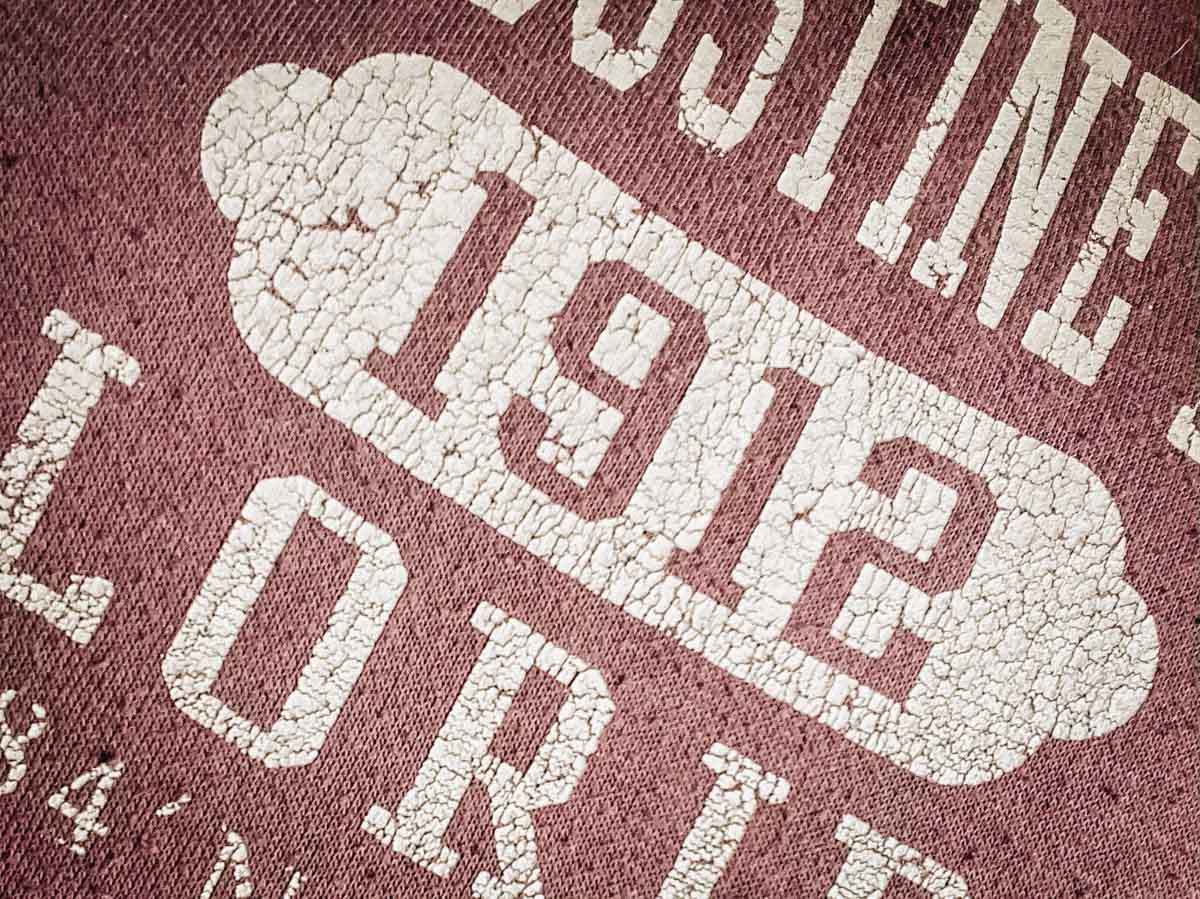
5 Common Causes of Cracked Prints and How to Avoid Them
When it comes to printing, cracked prints can be a significant issue that impacts the quality and presentation of your work. One of the most common causes of cracked prints is insufficient drying time. When layers of ink or paint are applied too quickly and not given adequate time to dry, tension can build up, leading to cracks. Another factor is temperature fluctuations; if prints are exposed to varying temperatures during the drying process, this can result in uneven contraction and expansion, causing cracks to form. Additionally, using inferior materials can also contribute to this problem; low-quality paper or inks may not adhere properly or flexibly, increasing the likelihood of cracks.
To avoid cracked prints, it's essential to implement a few preventive measures. First, ensure that you allow sufficient dried time between layers, particularly in multilayered applications. Consider investing in quality materials such as high-grade paper and reliable inks, as they can significantly reduce the chances of cracking. Moreover, maintaining a stable environmental temperature during the drying process can help create optimal conditions. Lastly, regularly check your printer settings to make sure they are adjusted correctly for the media you’re using, which can help enhance print quality and reduce the risk of damage.
If you're a fan of the franchise, visiting a pokemon shop can be a thrilling experience. You'll find a wide variety of merchandise including plush toys, cards, and apparel that cater to enthusiasts of all ages.
Essential Tips for Achieving Perfectly Smooth Prints Every Time
Achieving perfectly smooth prints every time requires careful attention to detail and an understanding of the printing process. First and foremost, it’s essential to select the right paper for your project. Different types of paper can have a significant impact on the final output. For instance, glossy finishes are ideal for vibrant color prints, while matte papers excel in producing smooth gradients. Additionally, consider calibrating your printer settings according to the media type and weight to ensure optimal results.
Another key factor in achieving perfectly smooth prints is maintaining your printer. Regularly clean the print heads and nozzles to prevent clogs, which can lead to inconsistent ink distribution and uneven textures. Also, make sure to use high-quality inks that are compatible with your printer to avoid issues like bleeding or fading. Finally, always perform a test print before committing to a final project; this allows you to make necessary adjustments without wasting materials.
Is Your Printer Giving You Issues? Troubleshooting Tips for Cracked Prints
If you're facing issues with your printer resulting in cracked prints, it can be frustrating, especially when you have important documents to print. Start by checking the ink cartridges; a low or empty cartridge can lead to poor print quality. If the cartridges are full, try removing them and gently cleaning the copper contacts with a soft cloth. Additionally, ensure the printer settings are correctly configured for your paper type. Sometimes, using the wrong paper setting can cause ink to bleed or not adhere properly, leading to cracking.
Another common cause of cracked prints is improper drying time for your prints. If you’re using a printer that utilizes moisture, such as inkjet printers, it's essential to allow sufficient drying time between prints. Always give them a few moments to dry completely before stacking or handling them to avoid smudging. If the problem persists, consider checking for software updates for your printer's drivers or consult the user manual for additional troubleshooting tips.