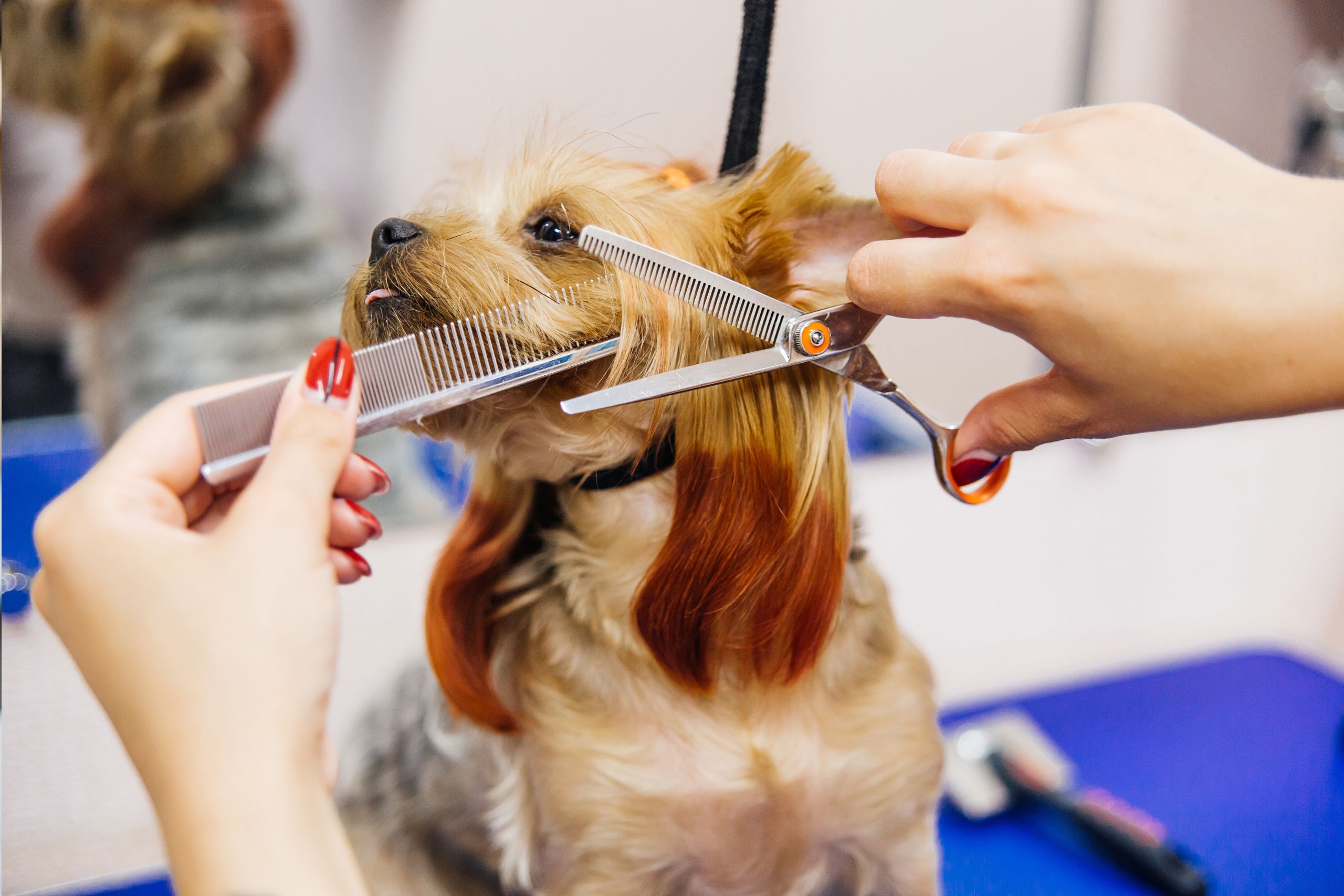
5 Essential Grooming Tips for a Happy and Healthy Pet
Keeping your pet healthy and happy is not just about regular vet visits; it also involves proper grooming. Here are 5 essential grooming tips to ensure your furry friend looks and feels their best:
- Regular Brushing: Brush your pet's coat regularly to remove loose fur and prevent matting. This is especially important for long-haired breeds.
- Bathing: Use a pet-friendly shampoo to bathe your pet at least once a month or as needed. Over-bathing can strip their coat of natural oils.
- Nail Trimming: Regularly trim your pet's nails to prevent discomfort and more serious health issues. Aim for every 3-4 weeks.
Furthermore, don't forget about your pet's ears and teeth. Ear care is vital, especially in breeds prone to ear infections. Clean their ears weekly with a vet-recommended solution. Additionally, teeth brushing should be part of your grooming routine; dental hygiene is crucial for your pet's overall health.
- Grooming Tools: Invest in quality grooming tools tailored to your pet's coat type.
- Routine Vet Check-ups: Schedule regular veterinary check-ups to keep your pet's health in check.
The Ultimate Guide to Preventing Matting in Long-Haired Pets
Long-haired pets, such as cats and dogs, require dedicated grooming to prevent matting, which can lead to discomfort and skin issues. To maintain a healthy coat, it's essential to establish a regular brushing routine. Aim to brush your pet at least two to three times a week to remove loose hair and prevent tangles. Use the appropriate grooming tools for your pet's coat type; for example, a slicker brush works well for fluffy breeds, while a wide-toothed comb is ideal for straight hair.
In addition to regular brushing, consider the following tips to further prevent matting:
- Bathing: Bathe your pet every month or as needed, using a pet-friendly shampoo to clean their coat without drying it out.
- Trim: Schedule regular trims with a professional groomer to keep the coat manageable, especially in high-friction areas.
- Inspect regularly: Check for signs of matting during grooming sessions, paying special attention to areas behind the ears, under the legs, and around the tail.
By applying these practices, you’ll ensure your long-haired pet remains comfortable and mat-free.
How Often Should You Groom Your Pet? Common Myths Debunked
Determining how often you should groom your pet can vary greatly depending on their breed, coat type, and individual needs. Common myths suggest that pets with short hair require little to no grooming, but even these animals can benefit from regular brushing to remove loose fur and dander. For long-haired breeds, a grooming schedule of at least once a week is crucial to prevent matting and tangles. Many pet owners assume that bathing their pets too frequently is beneficial, but in reality, over-bathing can strip their coat of essential oils, leading to skin problems. Instead, grooming should focus on both brushing and bathing, adjusting the frequency according to your pet's specific requirements.
Another myth is that grooming is only necessary during shedding season. In fact, regular grooming year-round plays a significant role in maintaining your pet's coat health, skin condition, and overall cleanliness. It's also important to consider your pet's lifestyle; active pets that spend time outdoors may need more frequent grooming to remove dirt and debris. Establishing a consistent grooming routine not only enhances your pet's appearance but also strengthens the bond between you and your furry companion. So, rather than relying on myth, pay attention to your pet's needs and consult with a professional groomer to determine the best grooming schedule tailored to their unique characteristics.