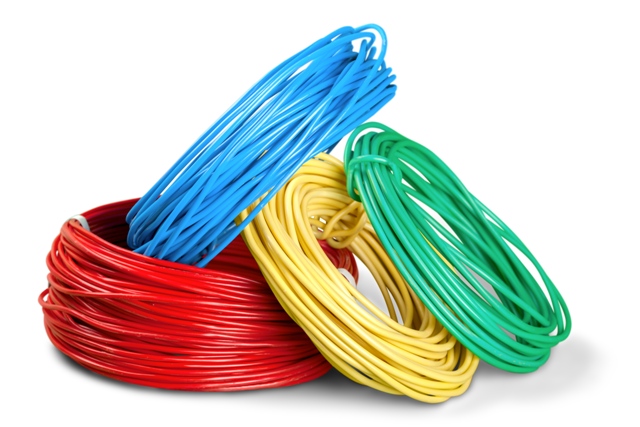
The Anatomy of Cables: Understanding the Backbone of Connectivity
The Anatomy of Cables is a crucial aspect of understanding how our digital world operates. At the heart of every reliable connection lies a complex network of wires and materials designed to transmit data efficiently. Cables come in various types, each serving distinct purposes, such as fiber optic cables for high-speed internet, coaxial cables for cable television, and Ethernet cables for local area networks. The core components of these cables include the conductor, which carries the electrical signal, insulation that protects the conductor, and outer shielding to prevent interference from external sources. Understanding these components is essential for anyone looking to enhance their connectivity experience.
To further grasp the significance of cables in our interconnected lives, consider these key factors:
- Signal Integrity: The quality of the materials used in cable construction directly affects the clarity and strength of the transmitted signal.
- Transmission Speed: Different cables support varying bandwidths, which is crucial for streaming, gaming, and heavy data transfers.
- Durability: The environment where cables are installed (indoors or outdoors) requires different levels of resilience against wear and tear.
Counter-Strike is a popular multiplayer first-person shooter game that pits teams of terrorists against counter-terrorists in various objective-based scenarios. Players rely on teamwork, strategy, and skill to succeed in intense matches. Whether you're a seasoned veteran or a newcomer, the game offers a competitive environment that is constantly evolving.
The game has also become a staple in the eSports community, attracting millions of viewers worldwide. For those who enjoy gaming on the go, check out our Top 10 Travel Accessories for Tablets to enhance your gaming experience while traveling.
How Different Types of Cables Influence Your Digital Experience
The type of cable you use can significantly impact your digital experience, influencing everything from internet speed to audio quality. High-speed HDMI cables, for instance, are essential for transmitting high-definition video and audio from devices like Blu-ray players to your television. In contrast, Ethernet cables are crucial for networking, providing reliable and fast internet connections for your devices. Using the right cable can minimize lag and ensure a smoother streaming experience, which is particularly important when engaging in activities like online gaming or streaming 4K content.
Moreover, not all audio cables are created equal. For example, optical cables convert electrical signals into light, allowing for interference-free audio transfer, ideal for home theater systems. On the other hand, 3.5mm auxiliary cables are common and easy to use but can transmit lower quality audio over longer distances. Understanding the different types of cables and their specific functionalities can help users enhance their digital experiences, ensuring they choose the best cables tailored to their needs.
Cables vs. Wireless: Why Are They Still Essential in a Wireless World?
In a world increasingly dominated by wireless technology, one might wonder why cables remain essential. While wireless communication offers convenience and portability, cables provide unparalleled stability and speed. For example, Ethernet cables can deliver faster internet connections than Wi-Fi, making them indispensable for businesses and gamers who require minimal latency. Additionally, cables are not susceptible to interference from physical obstacles or crowded airwaves, which can plague wireless signals. This reliability ensures that critical tasks can be performed without disruption.
Furthermore, certain applications still warrant the use of cables despite the strong push toward wireless solutions. In fields such as audio and video production, high-quality cables are often preferred for their ability to deliver clearer signals. Similarly, in environments like data centers, using cables allows for enhanced security and easier management of extensive networks. As the world becomes more wireless, the roles of cables should not be overlooked, as they provide essential support systems that maintain our connectivity and performance.