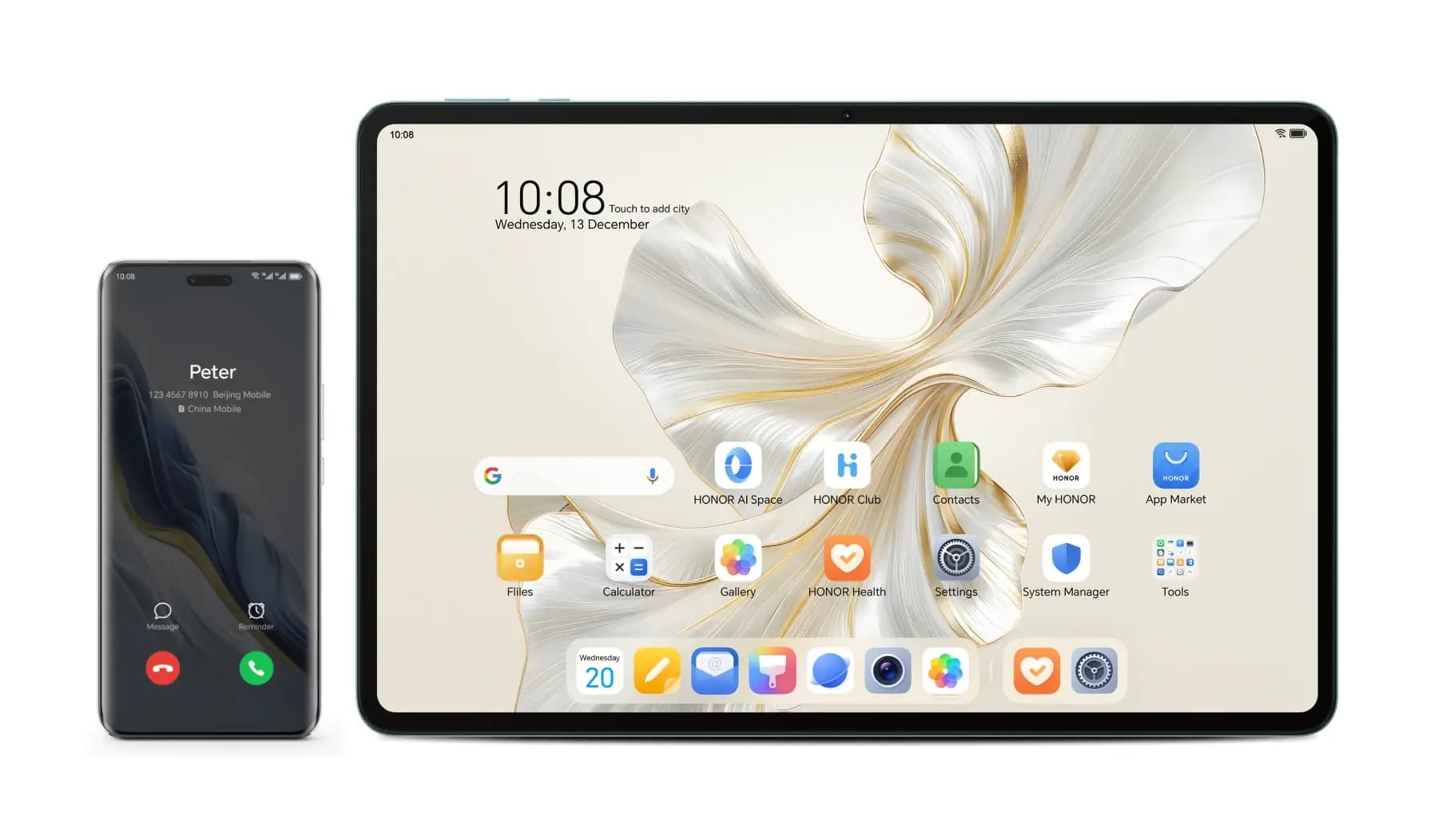
10 Essential Features to Look for in a Digital Doodling Tablet
When searching for the perfect digital doodling tablet, it's crucial to consider several essential features that can significantly enhance your creative experience. First and foremost, the screen resolution is vital; a high-resolution display allows for greater detail and clarity in your sketches. In addition to resolution, pressure sensitivity plays a key role, as it determines how well the tablet can respond to varying levels of pressure applied with the stylus. A higher level of pressure sensitivity can lead to a more natural drawing experience, closely mimicking traditional drawing methods.
Another critical attribute to look for is stylus compatibility. A responsive and ergonomic stylus can make all the difference in your doodling sessions. Moreover, take note of the portability of the tablet. If you plan to draw on the go, a lightweight and compact option will serve you well. Finally, don't overlook the importance of battery life; a long-lasting battery ensures that your creative flow won’t be interrupted. By considering these features, you can find a digital doodling tablet that truly meets your artistic needs.
Counter-Strike is a popular first-person shooter video game series that pits teams of terrorists against counter-terrorists in objective-based gameplay. Players engage in various game modes, earning points by completing objectives or eliminating opponents. For those seeking comfort while gaming, consider checking out the Top 10 Adjustable Tablet Stands to enhance your setup. The series has evolved over the years, with Counter-Strike: Global Offensive (CS:GO) being the most widely played version, featuring competitive matchmaking and a thriving esports scene.
How to Choose the Perfect Tablet for Your Digital Art Journey
Choosing the perfect tablet for your digital art journey can feel overwhelming, but by considering a few key factors, you can find a device that suits your artistic needs. First, think about the screen size; a larger display offers more space for intricate details, while a smaller tablet may be more portable. Additionally, check the resolution: a higher pixel density ensures your artwork has crisp, clear lines. Make a list of your must-have features, such as pressure sensitivity and tilt recognition, which are essential for mimicking traditional drawing techniques.
Next, don't overlook the software compatibility of your chosen tablet. Many digital artists prefer using programs like Adobe Photoshop, Corel Painter, or Procreate, so ensure that your tablet can run these applications smoothly. Reading user reviews can provide insight into how well each tablet performs in real-world scenarios. Finally, set a budget: the perfect tablet is the one that meets your artistic requirements without breaking the bank. By following these steps, you'll be well on your way to selecting a tablet that enhances your digital art journey.
Can a Tablet Replace Traditional Sketching? Exploring the Pros and Cons
In recent years, the debate over whether a tablet can replace traditional sketching has become increasingly relevant as technology advances. One of the major pros of using a tablet for sketching is the convenience it offers. With an array of digital tools at your disposal, artists can easily access various brushes, colors, and even layers without the mess associated with traditional media. Additionally, tablets allow for easy sharing and editing of sketches, making the creative process more collaborative than ever before. However, some artists argue that the tactile experience of traditional sketching can’t be replicated on a screen, where the feel of pencil on paper often inspires creativity in a way that digital tools might not.
On the flip side, there are also cons to using a tablet for sketching. Many users highlight the learning curve associated with digital tools, as artists may struggle to adapt to different software or hardware settings. Additionally, the reliance on battery life and software updates can interrupt the creative flow, which can be detrimental during the artistic process. Traditional sketching, with its simplicity and sensory experience, often brings a sense of calm and focus that some artists find hard to achieve with a tablet. Ultimately, whether a tablet can fully replace traditional sketching depends on personal preference and the context in which one is creating art.